
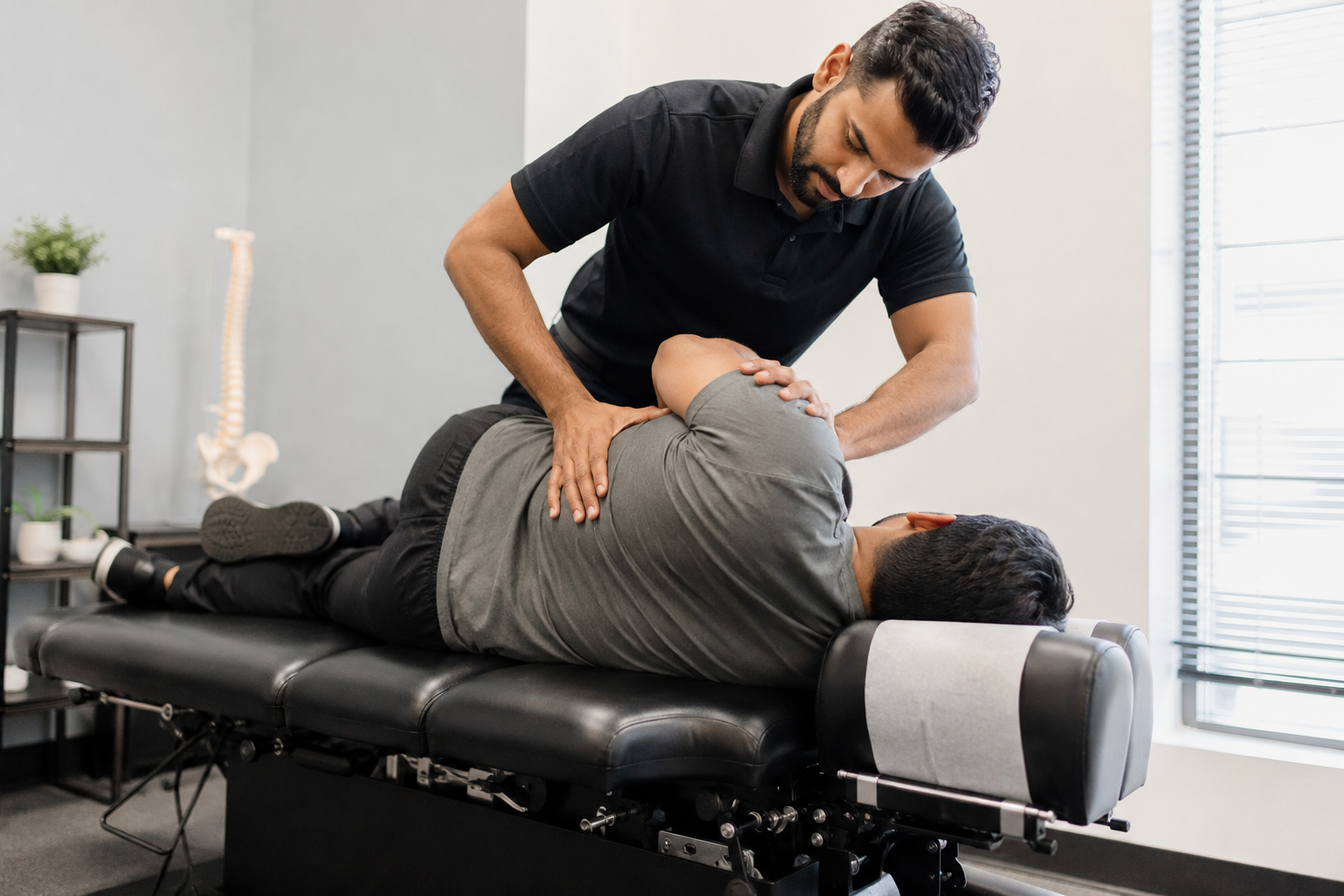
Getting better is already a full-time job. The last thing anyone needs is to drag themselves across town for a 45-minute session, especially when sitting in a car or auto-rickshaw is the thing that hurts most. That’s a big part of why Home Physiotherapy In India has grown so steadily—not just because it’s convenient, but because for a lot of patients, it genuinely works better. This post walks through what home-based care actually looks like, which conditions it suits, and what your options are.
What Happens When a Physiotherapist Comes to You
There’s a common assumption that home visits are somehow a lesser version of clinic care. They’re not. A qualified physiotherapist brings the same training, the same assessment process, and the same treatment toolkit to your living room that they’d use in any clinical setting.
What changes is the context—and that turns out to matter quite a bit.
When a therapist sees you at home, they see how you actually live. They notice whether your bed is too low for safe transfers, whether your bathroom poses a fall risk, whether your kitchen setup is aggravating your shoulder. They can watch you do the movements that actually challenge you, not just the sanitized versions patients perform in a clinic. And they can build a program around your real life, not an idealized version of it.
Home physiotherapy is commonly used for:
- Post-surgical recovery and joint rehabilitation
- Chronic back, neck, and shoulder pain
- Stroke rehabilitation and neurological recovery
- Elderly care and fall prevention
- Long-term mobility management
Sessions are scheduled around your availability, conducted one-on-one, and happen in the space where you spend most of your time. For a lot of patients, that consistency makes a meaningful difference in how quickly they progress.
Female Physiotherapy Treatment in India: Specialized Care Where You Feel Safe
Women’s physiotherapy isn’t a niche—it’s a distinct clinical area covering real conditions that are often underdiagnosed or simply not discussed openly enough. Female Physiotherapy Treatment In India brings that care into a private, familiar setting, which for many women removes a significant barrier to actually following through with treatment.
The focus areas include:
- Antenatal and postnatal care — supporting the body through pregnancy and the often-overlooked recovery phase after delivery
- Pelvic floor rehabilitation — clinically well-supported, commonly recommended after childbirth or pelvic surgery, but frequently delayed because of the discomfort many women feel in clinical environments
- Post-gynecological surgery recovery — gentle, progressive rehabilitation that benefits from consistency and privacy
- Musculoskeletal pain related to postural changes during pregnancy, hormonal shifts, or the general physical demands of motherhood
Pelvic floor physiotherapy in particular has strong research behind it. The problem has never really been effectiveness—it’s access and comfort. Having a female therapist come to your home solves both.
Pediatric Therapy in India: The Setting Is Part of the Treatment
Children are not miniature adults, and physiotherapy for kids reflects that. The techniques differ, the pacing differs, and the setting matters enormously. Pediatric Therapy In India delivered at home gives therapists something a clinic rarely can: access to a child who isn’t on edge.
In a familiar space—their own living room, surrounded by their own things—children are more relaxed, more willing to try, and more themselves. A therapist can also see how a child actually navigates their home environment, which is usually where the real functional goals live anyway.
Home-based pediatric physiotherapy supports:
- Developmental coordination disorders and delayed motor milestones
- Cerebral palsy, where regular, structured movement therapy drives long-term outcomes
- Hypotonia (low muscle tone), requiring progressive strengthening over time
- Post-surgical or injury recovery
One underrated benefit: parents. When sessions happen at home, families naturally stay involved. They see the exercises, understand the goals, and can support practice between sessions. That kind of carry-over is hard to manufacture in a clinic setting, but at home it happens organically.
Cupping Physiotherapy in India: Old Technique, Real Clinical Use
Cupping has been around for centuries, but the version used in modern physiotherapy is a long way from its folk-medicine origins. Cupping Physiotherapy In India, when applied by a trained physiotherapist, is a legitimate clinical tool—not a wellness trend.
The mechanism is relatively simple: suction applied to the skin increases local blood flow, releases fascial tension, and can interrupt pain signaling in the tissue. Used alongside manual therapy or an exercise program, it can meaningfully contribute to recovery—particularly for soft-tissue conditions.
Common applications include:
- Chronic muscle tightness in the neck, shoulders, and lower back
- Soft-tissue recovery after overuse injuries or repetitive strain
- Restricted circulation in localized areas
- Pain management support within a broader rehabilitation plan
One thing worth saying plainly: cupping works best as part of a plan, not as a standalone fix. A therapist should assess whether it’s appropriate for your specific condition before recommending it—and a good one will tell you honestly if it isn’t.
Finding the Right Care: A Simple Starting Point
Home physiotherapy isn’t a workaround or a compromise. For a wide range of patients—people recovering from surgery, women navigating pelvic health concerns, children with developmental needs, older adults managing mobility—it’s often the most effective model of care available. The key is finding someone qualified and well-matched to your needs.
Chiropractor in India website is a useful place to start if you don’t know where to start. It connects patients with certified physiotherapy and rehabilitation specialists around the nation, making it easier to find the best fit for your ailment, your schedule and where you are.